Authors talk about editing the same way people talk about marketing. When sales are low, editing becomes the suspect. When a book does well, editing gets the credit. The truth sits somewhere in between.
Professional book editing services absolutely influence how readers experience your book. They affect clarity, trust, and readability. What they do not do is magically turn an unfinished idea into a bestseller or fix a book that does not yet know its audience.

Why “Editing” Is Often Blamed (or Credited) for Sales
Many first time authors assume editing is a single step. You send your manuscript off. Someone fixes it. Sales improve. In reality, editing is a layered process with very different goals at each stage. Understanding those stages matters because choosing the wrong type of editing can lead to frustration, wasted money, and disappointment.
Editing supports sales by removing friction. It helps readers stay immersed instead of distracted. It also help reviews focus on the message rather than the mistakes, and helps your book feel professional instead of rushed. What it does not do is replace marketing, positioning, or reader demand.
This guide breaks down exactly what professional editing fixes, what it does not fix, and how to choose the right level of editing for where your manuscript actually is.
The Editing Myth: What Editing Cannot Do for Your Book
Let’s clear something up early. Editing is not a sales lever you pull after publishing. It is a quality control system that supports everything else you do.
Even the best book editing services cannot fix these issues:
- A book written for an unclear or mismatched audience
- A genre promise that does not match reader expectations
- Weak marketing or no launch strategy
- A concept that is not fully developed yet
Editing also does not rewrite your book into something it is not meant to be. Editors do not invent voice, vision, or authority. They help sharpen what already exists.
This is where confusion around proofreading vs editing often begins. Many authors expect proofreading to address structure, clarity, or flow. Others expect copyediting to fix a weak argument or thin character development. When that does not happen, editing gets blamed instead of expectations.
Professional editing works best when it is used at the right time and at the right level. When authors understand what each stage does, they make smarter decisions and see better long term results.
Proofreading: The Final Polish, Not the Rewrite
Proofreading is the last step in the editing process. It is not the first. It is not structural. And it is not a substitute for deeper editorial work.
Proofreading focuses on surface level issues such as:
- Spelling errors
- Grammar mistakes
- Punctuation consistency
- Formatting slips
- Minor word repetitions
If your manuscript has already been revised and edited, proofreading protects your credibility. It ensures readers are not distracted by obvious errors. It helps your book feel finished.
What proofreading does not do is reshape sentences, improve pacing, or strengthen ideas. That is why confusion around proofreading vs editing causes so many problems. Proofreading assumes the writing is already strong.
Here is a simple example.
Before proofreading:
The chapter its self moves quickly but the reader may notice mistakes that break focus.
After proofreading:
The chapter itself moves quickly, but the reader may notice mistakes that break focus.
Cleaner? Yes. More readable? Slightly. More likely to sell on its own? No.
Proofreading protects quality. It does not create it. When authors rely on proofreading too early, they often end up polishing problems instead of solving them.
Copyediting: Where Clarity Starts to Affect Sales
Copyediting is where many books quietly improve or quietly fail.
This stage focuses on how your sentences work together, not just whether they are correct. A professional copyeditor looks at flow, consistency, tone, and readability. The goal is simple. Make sure the reader never has to stop and reread.
Strong copyediting addresses:
- Awkward phrasing and unclear sentences
- Repetition that weakens impact
- Inconsistent terminology or voice
- Overuse of passive language
- Basic fact and timeline inconsistencies
This is where the difference between proofreading and editing becomes real. In the proofreading vs editing conversation, copyediting sits firmly on the editing side. It improves how your ideas land, not just how clean the page looks.
From a sales perspective, copyediting reduces friction. When readers can move smoothly from page to page, they stay longer. When they stay longer, they finish. Finished books are far more likely to receive positive reviews, recommendations, and word of mouth traction.
Copyediting does not change your message. It sharpens it. It does not add ideas or restructure chapters. That work belongs to developmental editing. Copyediting assumes the structure is already sound and focuses on making the delivery effortless.
For authors who already know what they want to say, copyediting is often the stage where the writing finally feels professional.
Developmental Editing: The Only Editing That Truly Influences Sales Potential
If editing ever changes the trajectory of a book, it happens here.
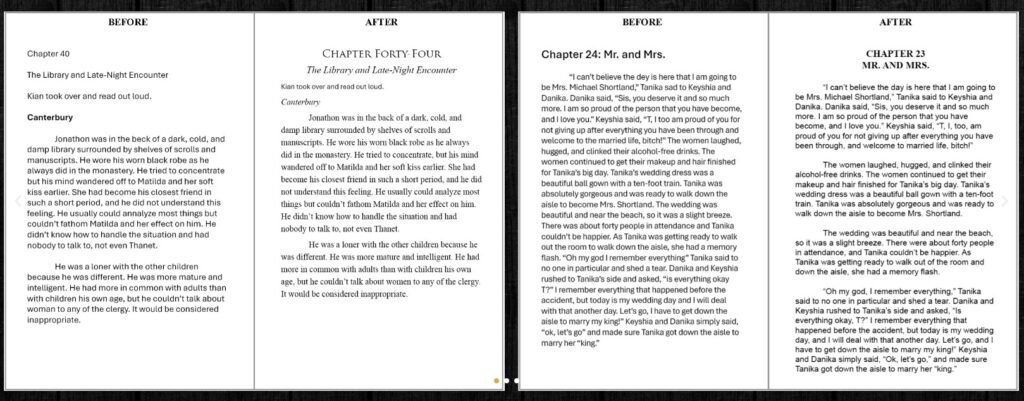
Developmental editing looks at the big picture. It examines how your book is built, how it unfolds, and how readers experience it from beginning to end. This is not about commas or sentence flow. It is about structure, pacing, logic, and engagement.
A developmental editor focuses on:
- Overall organization and chapter order
- Pacing and momentum
- Argument strength in nonfiction
- Character depth and arcs in fiction
- Alignment with genre expectations
This is why developmental editing has the strongest connection to sales potential. Readers do not abandon books because of a few typos. They abandon books because the story drags, the argument feels unclear, or the journey does not deliver on its promise.
At this stage, a manuscript review is often the starting point. It gives authors a clear diagnosis before full edits begin. Instead of guessing what your book needs, you get expert feedback on what will have the biggest impact.
Developmental editing does not guarantee sales. Nothing does. What it does is ensure your book earns the chance to succeed. It helps your writing meet reader expectations rather than fighting against them.
For authors serious about long term credibility and reader trust, developmental editing is not optional. It is foundational.
Manuscript Review vs Full Editing: Knowing Where You Actually Stand
Many authors are not sure what kind of editing they need. They know something feels off, but they cannot tell if the issue is structural, stylistic, or simply surface level. This is where a manuscript review becomes invaluable.
A manuscript review is not a light edit. It is a professional evaluation of your book’s strengths, weaknesses, and readiness for the next stage. Instead of correcting lines, the editor steps back and assesses the work as a whole.
A typical manuscript review covers:
- Structure and organization
- Clarity of message or narrative
- Pacing and engagement
- Genre alignment and reader expectations
- Editorial recommendations for next steps
For many authors, starting with a review saves time and money. Jumping directly into full book editing services without knowing what your manuscript truly needs can lead to frustration. You may end up paying for the wrong level of editing or revising in the wrong direction.
Full editing is most effective when the path forward is clear. A manuscript review provides that clarity. It helps authors move forward with confidence instead of guesswork.
If you are unsure whether you need proofreading, copyediting, or developmental editing, a manuscript review is often the smartest first decision.

How Professional Editing Supports Sales Without Promising Them
Professional editing should never be sold as a guarantee. Books succeed for many reasons, and editing is only one part of that equation. That said, editing plays a critical supporting role in how readers respond to your work.
Strong book editing services help by:
- Reducing reader confusion
- Improving pacing and flow
- Increasing completion rates
- Encouraging positive reviews
- Building author credibility
When a book is clear and well structured, readers trust it. When readers trust a book, they are more likely to recommend it. That chain reaction matters far more than flashy promises.
This is why understanding proofreading vs editing is so important. Proofreading protects polish. Copyediting improves readability. Developmental editing strengthens the reader experience itself. Each stage contributes differently to how your book performs.
Editing does not create demand, but it ensures your book does not lose readers once they arrive. In that sense, editing protects every other investment you make, from cover design to marketing campaigns.
Editing Readiness Checklist: Are You Ready for Professional Editing?
Before you invest in book editing services, it helps to pause and check whether your manuscript is truly ready for that step. Editing works best when the foundation is solid and the author is open to revision.
Check all that apply:
⬜ My manuscript is fully written from beginning to end
⬜ I know who my ideal reader is
⬜ I understand my genre and reader expectations
⬜ I can explain the core message or story of my book in one sentence
⬜ I am open to feedback and revisions
⬜ I know the difference between proofreading vs editing
⬜ I have decided whether I need clarity, structure, or final polish
⬜ I have clear publishing and timeline goals
How to read your results:
- 6–8 boxes checked: You are likely ready for professional book editing services
- 3–5 boxes checked: A manuscript review is your best next step
- 0–2 boxes checked: Pause editing and focus on development or clarity first
This checklist helps ensure editing strengthens your book instead of highlighting unfinished areas.
If several of these feel uncertain, a manuscript review may be the right starting point. It provides clarity without committing you to a full edit too soon.
Editing is most effective when it is intentional. The more prepared you are, the more value you receive from the process.
Choosing the Right Editing Partner
Not all editors work the same way. Choosing the right book publishing company matters just as much as choosing the right type of editing.
When evaluating book editing services, look for:
- Clear explanations of each editing level
- Transparent pricing and timelines
- Honest feedback, not inflated promises
- A collaborative and respectful process
- Editors who understand your genre and goals
At Virtue Publishing, editing is approached as a partnership. Authors are guided through the process, not rushed through it. Whether you start with a manuscript review, developmental editing, or final proofreading, the goal remains the same. Help your book reach its full potential without losing your voice.
The right editor does not just fix words. They help you make confident decisions about your book.
Got Questions? Let’s Clear Them Up Before Your Editor Does
1. What is the difference between proofreading vs editing?
Proofreading vs editing comes down to depth. Proofreading fixes surface errors. Editing improves clarity, structure, and flow depending on the level you choose.
2. Do I need developmental editing for every book?
Not always. Developmental editing is most valuable when structure, pacing, or clarity need improvement. Some manuscripts only require copyediting or proofreading.
3. What exactly happens during a manuscript review?
A manuscript review provides high level feedback on structure, clarity, pacing, and readiness. It helps authors choose the right editing path.
4. Can book editing services guarantee better sales?
No. Book editing services support readability and trust, which can influence reviews and retention, but they do not guarantee sales.
5. When is the best time to invest in professional editing?
The best time is after your draft is complete and your goals are clear. It works best when the manuscript and your mindset are fully prepared.
Editing Is a Tool, Not a Miracle
Professional editing protects your credibility, strengthens your message, and improves the reader experience. However, it cannot replace strategy, marketing, or proper audience alignment.
Professional book editing services work best when they support a clear vision. When used correctly, editing gives your book the best possible chance to succeed by removing friction and strengthening trust.
If you are unsure where to begin, start small. A manuscript review can provide clarity. From there, you can move forward with confidence, knowing your investment is aligned with your goals.
Ready to Edit Smarter, Not Harder?
If you are unsure which level of book editing services your manuscript actually needs, you do not have to guess.
Start with a manuscript review from Virtue Publishing. You will receive clear, professional feedback on structure, clarity, and readiness, along with honest recommendations on whether proofreading, copyediting, or developmental editing is the right next step.
No unnecessary upsells. No vague promises. Just expert guidance that respects your work and your goals.
Submit your manuscript today and take the next confident step toward publication.