Writing a book is a creative process. Structuring it properly is a strategic one. Many first-time authors assume that ghostwriting and editing services follow the same process for every type of book. That assumption often leads to confusion, delays, and unnecessary revisions. In reality, the workflow for a business book, memoir, or fiction manuscript is entirely different.
At Virtue Publishing, we help authors understand one key principle early: your genre determines your workflow. Whether you are building authority, sharing your life story, or crafting a novel, the right structure behind the scenes makes the entire publishing process smoother and more predictable.
If you are searching for ghostwriting and editing services in North Carolina or across the U.S., this guide explains how workflows differ by genre and how to choose the right approach for your book.
Why Genre Shapes the Entire Writing and Editing Process
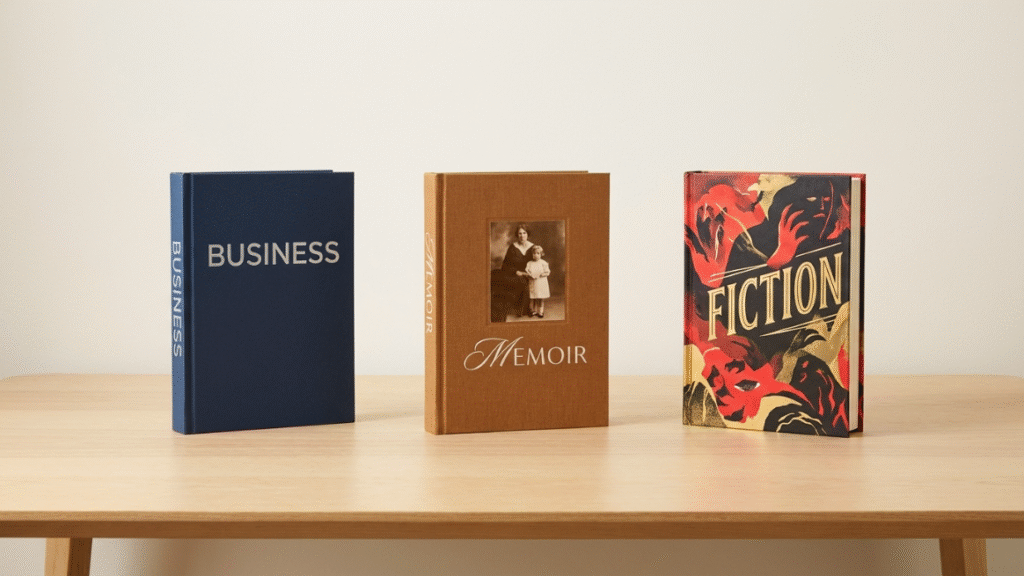
Before choosing between ghostwriting and editing, it is important to understand why genre matters. A business book is designed to educate, position authority, and deliver structured insights. A memoir focuses on personal experiences, emotional depth, and voice authenticity. Fiction relies on storytelling techniques such as plot development, pacing, and character arcs.
Because these goals are different, the production process must also change.
Many authors initially think the process is simple: write the book, then edit it. However, professional publishing workflows are layered. Some projects require heavy structural planning before drafting begins. Others depend on interviews, memory mapping, or detailed outlines.
Understanding your genre early helps you avoid choosing the wrong service and ensures your manuscript develops in the right direction.
Ghostwriting vs Editing: What Do You Actually Need?
One of the most common questions authors ask is whether they need ghostwriting or editing services.
Ghostwriting Services
Ghostwriting involves building the manuscript from your ideas, experiences, or concepts. A professional ghostwriter works with your input through interviews, notes, or outlines and develops a complete draft.
This is ideal if:
- You have strong ideas but no time to write
- You struggle to structure your thoughts
- You want professional guidance from start to finish
Editing Services
Editing focuses on improving an existing manuscript. This may include developmental editing, line editing, or copy editing depending on your needs. This is ideal if:
- You already have a draft
- Your manuscript needs clarity or restructuring
- You want to refine language and readability
At Virtue Publishing, we often recommend a hybrid approach when needed, especially for first-time authors who have partial drafts but require structural support.
Business Book Workflow: Structure, Clarity, and Authority
Business books are built around ideas, frameworks, and expertise. The goal is not just to share knowledge but to present it in a clear and credible way.
Most business book authors already have valuable insights. What they often lack is structure.
What You Provide
For a business book, you typically provide:
- Recorded interviews or discussions
- Existing content like blogs or presentations
- Case studies and real-world examples
- Notes or rough outlines
- Your core ideas or methodology
You do not need a polished manuscript. You need clarity about your audience and message.
What We Handle
A professional team handles:
- Organizing ideas into a logical structure
- Building a strong chapter flow
- Removing repetition
- Strengthening clarity and authority
- Ensuring the book aligns with your positioning
Typical Workflow
The process usually follows:
- Strategy session to define audience and goals
- Outline creation and approval
- Draft development from source material
- Developmental editing for structure
- Line editing for clarity and readability
Business books benefit from strong planning upfront. Without it, the content often becomes repetitive or unfocused.
Memoir Workflow: Voice, Emotion, and Authenticity
Memoirs are deeply personal. Unlike business books, they are not built around systems or frameworks. They rely on memory, reflection, and emotional truth. Because of this, the workflow must preserve the author’s voice.

What You Provide
Memoir authors typically provide:
- Recorded conversations and interviews
- Voice notes and personal reflections
- Journals, timelines, or letters
- Key life events
- Emotional themes
You do not need perfect structure. You need honesty.
What We Handle
A professional memoir workflow includes:
- Mapping your story into a narrative arc
- Structuring events for emotional impact
- Preserving your voice during editing
- Creating flow between chapters
- Refining without over-polishing
Typical Workflow
The process often includes:
- Story discovery sessions
- Narrative structuring
- Draft creation focused on voice
- Developmental editing for flow
- Line editing for refinement
Memoirs require patience. Rushing this process often results in a disconnected or overly polished story that loses authenticity.
Fiction Workflow: Plot, Pacing, and Story Architecture
Fiction writing is creative, but it is also highly structured. A strong concept alone cannot sustain a full novel. Structure, pacing, and character development are essential.
What You Provide
Fiction authors usually start with:
- A core idea or concept
- Character descriptions
- A rough plot direction
- Partial drafts
- World-building notes
What We Handle
A professional fiction workflow includes:
- Plot development and pacing
- Character arc creation
- Scene sequencing
- Dialogue refinement
- Continuity and consistency checks
Typical Workflow
The process typically follows:
- Concept and genre validation
- Story outlining
- Draft creation
- Developmental editing for structure
- Line editing for clarity
Fiction often requires multiple rounds of structural editing. This is normal and necessary for building a compelling narrative.
What You Provide vs What We Handle
Many authors believe they must either do everything themselves or hand over complete control. In reality, the process is collaborative.
You Provide
- Ideas, experiences, or concepts
- Feedback and approvals
- Participation in key stages
We Handle
- Structure and organization
- Draft development (if needed)
- Editing and refinement
- Clarity and consistency
The balance varies by genre, but the goal remains the same: to support your voice, not replace it.
How to Choose the Right Workflow for Your Book
Choosing the right workflow starts with understanding your current position. Ask yourself:
- Do I have a completed draft?
- Is my main challenge writing or organizing?
- Do I need help shaping my ideas?
- Is this book for authority, storytelling, or entertainment?
If you already have a manuscript, editing may be enough. If you have ideas but no structure, ghostwriting may be the better option. At Virtue Publishing, we focus on aligning the process with your book’s purpose. This ensures smoother collaboration and better results.
Why Authors Choose Virtue Publishing
At Virtue Publishing, we specialize in genre-specific ghostwriting and editing services instead of generic packages. We work with authors who need:
- Structured business books
- Authentic memoirs
- Professionally developed fiction
For those looking for ghostwriting and editing services in North Carolina or nationwide, our approach focuses on clarity, collaboration, and long-term value. We believe that every book deserves a workflow tailored to its purpose.

Frequently Asked Questions
Do I need ghostwriting if I already have a draft?
Not always. If your manuscript is complete, editing may be enough. However, some drafts need structural improvement before final editing.
What is developmental editing?
Developmental editing focuses on structure, flow, and clarity, while line editing focuses on sentence-level improvements.
How long does ghostwriting take?
Timelines vary. Business books may take a few months, while memoirs and fiction often take longer due to deeper revisions.
Will I lose control of my book?
No. You remain involved throughout the process and approve all major decisions.
Final Thoughts
Choosing the right workflow is just as important as writing the book itself.
A business book needs clarity and authority. A memoir needs emotional depth and authenticity. Fiction requires structure and storytelling precision. When the workflow matches the genre, the entire process becomes smoother and more effective.
At Virtue Publishing, we help authors build their books with the right structure from the beginning. That clarity saves time, reduces frustration, and leads to stronger results.