
Starting a book is not the hard part. Many first-time writers begin with a strong idea and genuine motivation, but somewhere along the way, progress slows down or stops completely. What starts as an exciting project turns into an unfinished draft that keeps getting pushed aside.
This is a common stage in the writing process, especially for those navigating long-form content for the first time. The challenge is not creativity, it’s understanding how to move from an initial idea to a fully completed manuscript. In this blog, Virtue Publishing guides first-time authors through the writing process, breaking down both the progress and the technical aspects involved in bringing a book to life.

Why do first-time authors get stuck?
Most first-time authors get stuck because they lack a clear structure, underestimate the demands of long-form writing, and try to manage everything without a defined process. Without direction, writing becomes inconsistent and difficult to sustain.
When authors search for answers around “why first-time authors get stuck”, they are usually dealing with confusion, not lack of ability.
What does “getting stuck” actually look like?
Getting stuck is rarely a dramatic stop. It often builds slowly over time.
A writer may complete a few chapters, then return to the beginning to revise instead of continuing forward. This creates a loop where progress feels active, but the manuscript does not grow.
In other cases, the issue shows up as avoidance. The document remains open, ideas are still there, but the clarity needed to continue is missing. This is one of the most common unfinished manuscript problems that new authors face.

Why is finishing a book so difficult?
Writing a book requires more than ideas. It requires structure, consistency, and decision-making across a long timeline.
The most common reasons include:
- Lack of a clear outline, which leads to confusion later
- Inconsistent writing habits that break momentum
- Trying to edit while writing, which slows progress
- Overthinking and perfectionism
- Not understanding the full publishing process
These are the real reasons behind why writers don’t finish books, even when they are capable of doing so.
Writing without structure vs writing with a process
| Aspect | Without Structure | With Structured Process |
| Direction | Unclear and changing | Clearly defined from the start |
| Progress | Irregular and slow | Consistent and trackable |
| Focus | Scattered | Aligned with goals |
| Completion | Unlikely | Highly achievable |
A structured approach does not restrict creativity. It supports it by giving your ideas a clear path forward.
Who is most likely to get stuck while writing a book?
Certain patterns show up repeatedly among writers who struggle to finish.
You are more likely to get stuck if you:
- Started writing without planning the full book
- Are balancing writing with a full-time job or business
- Keep revising instead of progressing
- Feel unsure about what comes next
- Are unfamiliar with the publishing process
If this sounds familiar, it does not mean you are doing something wrong. It means you are missing a system.
How do you actually finish a book?
Finishing a book becomes manageable when the process is simplified and structured. Instead of thinking about writing an entire book, the focus should shift to smaller, controlled steps. This changes how the work feels and how progress is made.
A practical approach includes:
- Breaking the manuscript into chapters with clear goals
- Writing consistently, even in smaller sessions
- Separating writing from editing
- Setting realistic timelines
- Creating accountability, either personal or external
These steps directly address how to finish writing a book without relying on motivation alone.
What should a structured writing process include?
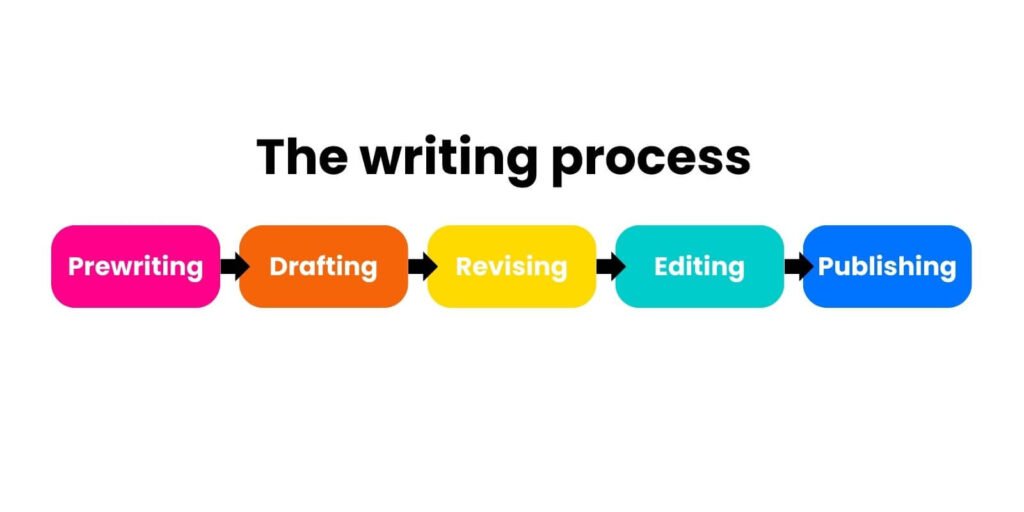
A complete writing process is not just about drafting. It covers the full journey from idea to final manuscript. It typically includes planning, outlining, drafting, editing, and preparing the manuscript for publishing. Each stage has its own purpose, and skipping any of them creates problems later.
👉 [INTERNAL LINK INSERT HERE – Blog about writing process / outlining]
When authors follow a defined process, they spend less time correcting mistakes and more time making progress.
What mistakes keep authors from finishing their book?
Most delays come from a few repeated mistakes.
- Starting without clarity
- Editing too early
- Relying on motivation instead of routine
- Trying to do everything alone
- Ignoring how publishing works
These patterns explain a large part of why writers don’t finish books, even when they are committed to the idea.
How does publishing planning affect writing?
Many first-time authors treat publishing as something to think about later. This often leads to misalignment between the content and the intended audience.
When publishing is considered early, writing becomes more focused. The message is clearer, and the structure supports the final goal. Click here for further guidance on the process: https://virtuepublishing.com/book-publishing-guide/
Understanding book publishing for first-time authors during the writing phase reduces confusion later.
Why does author branding matter before finishing the book?
A book is not just a standalone project. It is often part of a larger personal or professional identity.
When authors think about positioning early, they make better decisions about tone, content, and audience. This directly impacts how the book is received after completion.
Strong author branding for new writers ensures the book connects with the right audience. It also naturally ties into how the book will be positioned and promoted later, which is why understanding Book Marketing That Doesn’t Feel Scammy becomes important even before the manuscript is finished.

Where does marketing fit into the process?
Marketing is often misunderstood as something that happens after publishing. In reality, it starts much earlier. When authors understand their audience during the writing phase, their content becomes more relevant and easier to promote later.
This is where book marketing strategies for beginners begin to shape the manuscript itself.
When should you consider professional support?
Not every writer needs help at the same stage, but many benefit from support when they feel stuck or uncertain. Professional input can help with structure, clarity, and maintaining progress. It also reduces the chances of major revisions later.
At this stage, working with a team like Virtue Publishing can provide a structured path forward without removing your creative control.
Frequently Asked Questions
Why do I keep starting but not finishing my book?
Because writing without structure leads to inconsistency and unclear direction. A defined process helps maintain progress.
How long does it take to finish a book?
It depends on consistency and structure. With a clear system, most authors complete their manuscript within a few months.
Should I edit while writing?
No. Writing and editing should be separate stages to avoid slowing progress.
Do I need help to finish my book?
Not always, but guidance can make the process more efficient and manageable.
When should I think about publishing?
Ideally during the writing phase, so your content aligns with your audience and goals.
Conclusion
Most unfinished books are not the result of bad ideas. They are the result of unclear processes and inconsistent execution. When writing becomes structured and manageable, finishing a book is no longer uncertain. It becomes a step-by-step process that can be completed with clarity and direction.
Start Your Publishing Journey
If you are stuck in the middle of your manuscript, the solution is not to push harder. It is to approach the process differently. Start Your Publishing Journey with Virtue Publishing and move from an unfinished draft to a completed, publish-ready book with the right structure and support.