If you’re close to finishing your manuscript, you’re probably thinking about editing, cover design, maybe even your launch date. That makes sense. Most first-time authors focus on getting the book out into the world. The part that often gets overlooked is everything that surrounds the book.
Here’s something worth thinking about early: when your book launches, who will already be paying attention? This is where author branding starts to matter.
It doesn’t mean you need thousands of followers or that you have to become a full-time content creator. It simply means building a level of visibility and credibility before your book goes live.
Readers are more comfortable buying from someone they feel familiar with. Even a small amount of presence online, a clear message about what you write, and a professional setup can make a big difference.
If someone searches your name today, what would they see?
Clear identity, short bio? Simple website? Or nothing yet?
That gap between “book finished” and “audience ready” is where many launches struggle.
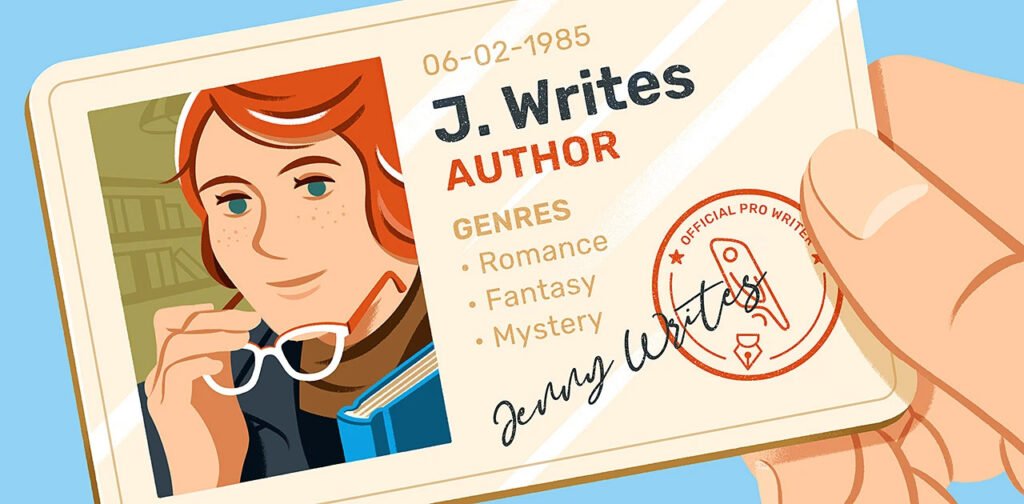
Why “Platform Before Product” Matters
The idea behind “platform before product” is simple. Start building trust before asking people to buy. When your book finally releases, you won’t be starting from zero.
In this guide, we’ll walk through how to approach your author branding, how to build an author platform, what matters most in author website, and how a simple book marketing funnel can support your launch.
What Is Author Branding (And Why Should You Care?)
When people hear “branding,” they often picture logos, colors, or something corporate.
That’s not really what we’re talking about here.
Author branding is mostly about clarity.
It answers a few basic questions:
- What do you write about?
- Who is it for?
- Why should someone pay attention to you?
If those answers are vague, your marketing will feel vague too.
For example, saying “I write about personal growth” is broad. Saying “I help first-time entrepreneurs manage stress and decision-making” is clearer. One gives readers direction. The other makes them guess.
Branding helps readers quickly understand whether your work is relevant to them.
And this is important before publishing, not after.
If you build your presence without defining your message, you may attract the wrong audience. Later, when you start promoting your book, you’ll notice engagement feels scattered.
Strong author branding also supports your future book marketing funnel. When your message is clear, it becomes easier to:
- Create focused content
- Write a stronger book description
- Speak confidently about your work
- Build trust with media or podcast hosts
You don’t need awards or decades of experience, but you do need consistency. Think of branding as setting expectations; when someone encounters your name, there should be alignment between what you say, what you post, and what your book delivers. It doesn’t have to be complicated; it just has to be intentional.
Step 1: Clarify Your Positioning Before You Publish
Before you think about covers, ads, or launch dates, it helps to pause and ask something simple:
What do I want to be known for?
A lot of first-time authors skip this step because they assume the book will speak for itself. Sometimes it does. But more often, readers need context. They need to understand where you fit.

Positioning is about defining your place in the conversation.
For example, if you’ve written a business book, that’s a category. But within that category, what’s your angle? Are you focused on leadership? Small startups? Faith-driven entrepreneurship? Women in business? Burnout recovery?
The clearer you are, the easier it becomes to attract the right audience.
This also affects how you eventually build an author platform. Without positioning, your content becomes scattered. One day you’re posting about mindset, the next about productivity, then something unrelated. Readers don’t know what to expect from you.
Clarity creates momentum.
Here are a few questions that can help you refine your positioning:
- Who is this book truly for?
- What specific problem does it address?
- What lived experience or insight do you bring to this topic?
- What makes your perspective slightly different from others writing in the same space?
You don’t need a dramatic story. You just need alignment.
Positioning also connects directly to your future book marketing funnel. If your message is defined early, it becomes easier to:
- Write stronger social posts
- Create targeted email content
- Identify the right podcasts or media outlets
- Build partnerships within your niche
When your positioning is unclear, marketing feels heavy. When it’s clear, marketing feels like an extension of what you already talk about naturally.
Another thing to keep in mind: positioning does not mean limiting yourself forever. It simply means starting with focus. You can expand later.
For now, the goal is this: when someone lands on your profile or website, they should understand within seconds what you write about and who it helps.
That clarity builds trust quietly. And trust makes launching smoother.
Step 2: Your Author Bio Is a Strategic Tool
Most authors treat their bio as something they quickly write at the end.
A few sentences. Maybe a credential or two. But your bio actually does more work than you might think.
When someone lands on your website, Amazon page, or sees you featured somewhere, your bio is often the first thing they read about you. It helps them decide whether they should keep paying attention.
This is where author branding becomes practical.
Your bio should quietly answer three things:
- Why should I listen to you?
- What do you write about?
- What kind of perspective do you bring?
Now here’s where many first-time authors hesitate and think, “I don’t have awards, I’m not famous, what do I even say?” The truth is, you don’t need a dramatic resume; you need relevance. If you’ve written a parenting book, your lived experience matters; if you’ve written about business, your hands-on work matters; and if you write fiction, your themes and creative focus matter.
A strong bio usually includes:
- A clear description of what you write
- A short line about your background or expertise
- Something human that makes you relatable
For example, instead of saying:
“I am passionate about inspiring people,”
It’s stronger to say:
“I write practical guides for first-time entrepreneurs navigating their first three years in business.”
See how that feels clearer?
Also, consider having two versions:
- A short bio (50–75 words)
- A longer bio (150–200 words)
You’ll use them in different places. Media outlets, podcasts, book back matter, your website. Being prepared saves time later. Your bio is not about exaggeration. It’s about alignment. When someone reads it, it should match the promise of your book.
It doesn’t need to sound impressive. It needs to sound focused.
Step 3: Author Website Basics Every First-Time Author Needs
One of the most common questions new authors ask is, “Do I really need a website?”
Technically, you can publish without one. But if you’re serious about long-term growth, understanding author website basics early makes a big difference.

Social media platforms change. Algorithms shift. Accounts disappear. Your website is the one place you control. It doesn’t need to be complicated. In fact, simple is better.
At minimum, your website should include:
1. A Clear Home Page
Within a few seconds, visitors should understand who you are and what you write. No guessing.
2. An About Page
This is where your longer bio lives. It supports your overall author branding and gives readers context.
3. A Book Page
Even if the book hasn’t launched yet, you can create a “Coming Soon” page. Add a short description and a way to join your email list.
4. Contact Information
Media inquiries, podcast invites, speaking opportunities. Make it easy for people to reach you.
5. Email Signup
This is important. Your email list will eventually support your book marketing funnel. It gives you a direct line to readers without relying on social platforms.
You don’t need animations orclarity or ten pages. A clean layout, professional photo, consistent message, and working links already put you ahead of many first-time authors.
Another thing to consider: build it before launch. If someone hears about you during pre-release buzz and tries to look you up, they should find something solid.
Think of your website as your digital home base. Everything else points back to it.
When done early, it reduces stress later.
Step 4: Social Proof | Even If You Haven’t Published Yet
A lot of first-time authors think social proof only comes after the book is out. Reviews, media mentions, endorsements. That feels like something you earn later.
But social proof can start earlier than you think.
Social proof simply means evidence that other people value your work. It helps reduce hesitation. When readers see that others trust you, they feel more comfortable doing the same.
And yes, this supports your overall author branding in a very practical way.
If your book isn’t published yet, here are a few places to start:
Beta Readers
Invite a small group of readers to review your manuscript before launch. Their feedback can turn into early testimonials. Even two or three thoughtful quotes can strengthen your website and book page.
Professional Endorsements
If someone in your industry respects your work, ask if they’d be willing to provide a short endorsement. It does not have to be a celebrity. Relevance matters more than status.
Guest Contributions
Writing guest articles, appearing on podcasts, or speaking at small events creates credibility. It also helps you gradually build an author platform before asking anyone to buy your book.
Early Reader Feedback on Social Media
Even screenshots of kind messages from early readers can be used thoughtfully, with permission.
What matters most is consistency. One strong testimonial displayed clearly on your website can do more than ten scattered posts.
Also, start collecting proof now, not on launch week. Many authors wait until the book is live, then scramble to gather reviews. It is much easier to plan this before publication.
Social proof works quietly. It tells visitors, “Other people trust this author.” That reduces friction when your book marketing funnel begins guiding readers toward a purchase.
You don’t need dozens of reviews. You need intentional ones.
Think of it as building small signals of credibility that add up over time.
Step 5: Build Content Pillars That Support Your Book
If someone told you to “just start posting,” that advice probably felt vague.
Posting about what?
This is where content pillars come in.
Content pillars are simply 3–4 core themes you consistently talk about. They align with your book’s message and help you gradually build an author platform without feeling scattered.
Let’s make this practical.
If you’ve written a nonfiction book about leadership, your pillars might be:
- Decision-making under pressure
- Team communication
- Personal discipline
- Leadership mistakes and lessons
If you’ve written a novel, your pillars could be:
- Themes within your story
- Character development insights
- Writing process reflections
- Topics related to your genre
Instead of randomly posting whatever comes to mind, you rotate through these themes. Over time, readers begin to associate your name with those topics.
This strengthens your author branding naturally.
Another benefit? It makes content creation easier. You’re not reinventing ideas every week. You’re exploring different angles of the same focused message.
And here’s something important: consistency matters more than frequency.
You don’t need to post daily or go viral—you just need to show up consistently enough that your audience recognizes you.
Content pillars also support your long-term book marketing funnel. When someone discovers you through a post, they see related content. That builds familiarity. Familiarity builds trust.
Eventually, that trust makes it easier to invite them to join your email list, attend a launch event, or pre-order your book.
Start simple. Choose three pillars. Write ten content ideas under each. Now you have thirty focused posts ready to develop.
That kind of structure removes pressure and replaces it with clarity.
And clarity is what makes early platform-building sustainable.
Step 6: Create a Simple Book Marketing Funnel Before Launch
The word “funnel” can sound technical, but it’s really just a structured way of guiding someone from discovering you to eventually buying your book. A book marketing funnel does not have to be complicated. In fact, the simpler it is, the easier it is to manage.
At its core, it looks like this:
- Someone discovers you
- They follow or subscribe
- They receive value over time
- They hear about your book
- They decide whether to buy
Most first-time authors focus only on step five.
That’s where things feel frustrating. You announce your book, but the audience is small or unfamiliar with you. There hasn’t been enough time to build trust.
If you think about your launch six months before publication, you can start earlier in the funnel.
Here’s a practical example:
Awareness
You post content aligned with your pillars. You appear on small podcasts. You write short articles. This is where people first encounter your author branding.
Interest
You invite readers to join your email list. Maybe you offer a short free resource related to your book topic.
Connection
You send helpful emails. Share behind-the-scenes progress. Talk about themes your book explores. You’re not selling constantly. You’re building familiarity.
Launch
When your book becomes available, you’re not speaking to strangers. You’re speaking to people who have been following the journey.
That is the difference.
A funnel does not require expensive software. It requires clarity and patience.
Even a simple website with an email signup form supports your funnel. A steady content rhythm supports it. Testimonials support it. When done early, your launch becomes a continuation of a conversation instead of a cold announcement and that shift alone can change the results dramatically.
How Publishing and Marketing Work Together
Many authors treat publishing and marketing as separate phases.
First, finish the book.
Then, think about marketing.
In reality, they overlap more than most people expect.
Publishing handles production. Editing, formatting, cover design, distribution. It ensures your book is professionally ready.
Marketing ensures people actually know it exists.
When you start thinking about author branding before publishing, the entire process becomes smoother. Your cover design aligns with your positioning,description reflects your content pillars and website is ready to support pre-orders.

This is why building early structure matters.
For example, if your positioning is unclear, your back cover copy might feel generic. If your website isn’t ready, readers who hear about your book during pre-launch interviews won’t have a clear place to go.
Publishing without marketing preparation can feel like launching into silence.
On the other hand, marketing without a professional publishing foundation creates another problem. If the editing isn’t strong or the presentation isn’t polished, early visibility won’t convert into long-term trust.
They support each other.
A well-structured book marketing funnel works best when the product itself is strong. And a professionally published book performs better when readers already recognize your name.
This is where working with a team that understands both sides can help.
At Virtue Publishing, publishing and marketing are not treated as isolated services. The goal is to ensure that your book is not only produced professionally but also positioned thoughtfully from the start.
That means asking branding questions early. Clarifying audience focus. Preparing your website before launch. Structuring your marketing rhythm in advance.
It does not have to be overwhelming. It just needs to be planned.
When those pieces align, your launch feels more stable and less rushed.
Each step builds stability.
And if you’d rather not figure it all out on your own, you don’t have to.
At Virtue Publishing, we work with first-time authors who want more than just a printed book. We help align publishing and marketing from the beginning, so your launch feels structured instead of rushed. That includes refining your platform, strengthening your brand foundation, and making sure your book is professionally positioned before it goes live.
You can absolutely publish independently. But having guidance early can prevent costly mistakes later.
Start before you feel fully ready. Build the foundation first. The book will stand stronger because of it.
Got Questions? We’ll Answer them for You!
1. Do I really need author branding before publishing my first book?
You don’t need a massive following, but having clear author branding helps readers understand who you are and what you write about. Without it, marketing feels scattered. Branding simply means clarity. It makes your website, bio, and content feel connected, which builds trust before launch.
2. How early should I start to build an author platform?
Ideally, several months before launch. Even six months of consistent, focused content can make a difference. When you build an author platform early, your book release becomes part of an ongoing conversation instead of a sudden announcement.
3. What are the most important author website basics?
At minimum: a clear home page, an about page, a book page (even if it says “coming soon”), contact information, and an email signup form. These author website basics create credibility and support your long-term marketing efforts.
4. What if I don’t have social media experience?
That’s completely fine. You don’t need to be on every platform. Choose one that feels manageable. Focus on consistency over volume. Even a small, engaged audience can support your book marketing funnel effectively.
5. What is a book marketing funnel, and do I really need one?
A book marketing funnel simply guides readers from discovering you to eventually purchasing your book. It usually includes content, email communication, and a launch strategy. Without it, you’re relying only on launch-day visibility, which can be unpredictable.
6. Can Virtue Publishing help with branding and marketing as well as publishing?
Yes. Virtue Publishing supports authors with both professional publishing and strategic marketing preparation. That includes helping refine author branding, strengthening your platform, and setting up foundational systems before launch, so you’re not figuring everything out at the last minute.
Conclusion: Start Before You Feel Ready
If you’ve made it this far, you’ve probably realized something important. Launching a book is easier when you’re not starting from zero.
When you think about author branding early, your decisions become more intentional. Your bio reflects your message, and website supports your launch along with the content that builds familiarity. By the time your book is ready, readers already have context for who you are.
You don’t have to build everything at once. Start small:
- Clarify your positioning
- Write a focused bio
- Set up the essential author website basics
- Choose a few content pillars
- Begin nurturing a simple book marketing funnel