For many first-time authors, publishing feels deceptively simple. You upload a manuscript, add a cover, click “publish,” and your book appears online. It looks official. It feels published. But in reality, many authors who believe they’ve managed to publish a book in the USA have only completed part of the process.
This is where confusion quietly creeps in.
True publishing in the U.S. involves more than making a book available for sale. It includes proper identification, legal protection, and intentional distribution. Miss any one of these steps, and you may still sell copies, but you could be giving up control, credibility, or future earnings without realizing it.
The three areas most commonly misunderstood are ISBNs, copyright, and distribution. Authors often assume these are handled automatically or only matter to large publishing houses. In truth, these elements directly affect ownership, discoverability, and long-term scalability for every author, especially those publishing independently.
Publishing in the U.S. Isn’t Just Uploading a File
An ISBN determines who is officially recognized as the publisher of record. Copyright registration influences your ability to defend your work. Distribution determines whether your book can move beyond a single platform and into bookstores, libraries, and international markets. Together, they form the foundation of compliant, professional publishing.
This guide breaks down what most new authors miss when they publish a book in the USA, why these details matter more than they seem, and how getting them right from the start can protect both your book and your author brand. No legal jargon. No scare tactics. Just practical clarity so you can move forward with confidence.
What It Really Means to Publish a Book in the USA
To publish a book in the USA is not just a technical action. It’s a legal and commercial declaration. When you publish properly, you’re not simply making a book available. You’re establishing ownership, defining rights, and entering the U.S. book trade in a way that retailers, libraries, and institutions recognize.
One of the biggest misconceptions among new authors is that uploading a book to a single platform equals publishing. In reality, that step is closer to distribution than publishing. Publishing involves assigning identifiers, securing legal protection, and setting up the framework that allows your book to move through the industry correctly.
In the U.S., legitimate publishing typically includes three core components: a registered ISBN, enforceable copyright, and intentional distribution channels. These elements work together. Remove one, and the system still functions—but with limitations that often surface later, when the book gains traction or opportunities expand.
For example, without the right ISBN structure, your book may list a platform as the publisher instead of you. Without proper copyright registration, enforcing your rights becomes significantly harder if your work is copied or misused. Without thoughtful global distribution, your book’s reach may be limited to a single retailer, regardless of reader demand elsewhere.
Publishing in the U.S. also carries credibility implications. Bookstores, libraries, wholesalers, and international partners rely on standardized data and compliance signals to decide which books they can carry. If those signals are missing or misaligned, your book may be invisible to entire segments of the market.
This is why experienced professionals treat publishing as a business setup, not a one-click event. Authors who take the time to understand how the U.S. publishing system works are better positioned to scale, license, translate, or adapt their books later without starting over.
In the next section, we’ll look closely at one of the most misunderstood parts of this process: the ISBN, why it matters, and what most authors get wrong when choosing one.
ISBNs Explained: What Most Authors Get Wrong
An ISBN is more than a barcode number on the back of a book. It is the identifier that tells the publishing world who published your book and how it should be tracked across retailers, libraries, and databases. Yet for many new writers trying to publish a book in the USA, the ISBN is often misunderstood or treated as an afterthought.
ISBN stands for International Standard Book Number. Each format of your book—paperback, hardcover, ebook—requires its own ISBN if you want it properly cataloged. This number becomes permanently tied to the edition and the listed publisher of record.

Here’s where most authors make their first critical mistake: assuming all ISBNs are the same.
When a publishing platform offers a “free” ISBN, that platform is listed as the publisher, not you. This may seem harmless at first, especially if the book is selling. However, it can limit your ability to distribute elsewhere, reposition your brand, or move the book to another service later. In contrast, owning your ISBN allows you to remain the official publisher and maintain full control over your book’s identity.
For authors serious about long-term credibility, ISBN for authors is not just a technical checkbox. It is a statement of ownership. When you purchase your own ISBNs, you control the imprint name, the metadata, and how your book appears in industry databases. This matters to bookstores, libraries, and international distributors who rely on standardized records to evaluate titles.
In the United States, ISBNs are issued through Bowker, the official ISBN agency. While buying ISBNs may feel unnecessary at the beginning, many authors later discover that switching publishers of record is difficult or impossible once a book is widely distributed under a platform-owned number.
Another common oversight is underestimating how ISBNs affect global distribution. Distributors and wholesalers often require publisher-owned ISBNs to list books in certain catalogs. Without them, your book may remain confined to a single ecosystem, regardless of reader interest elsewhere.
Understanding ISBNs early allows you to publish intentionally instead of reactively. It ensures that when your book grows, your publishing structure can grow with it rather than hold it back.
Next, we’ll move into another area where assumptions often replace preparation: copyright, what protection you actually have, and why registration still matters.
Copyright Registration: Protection vs Assumption
One of the most common phrases authors hear is, “Your work is automatically copyrighted the moment you create it.” While that statement is technically true, it often leads to a dangerous assumption—especially for authors looking to publish a book in the USA.
Yes, your manuscript is protected by copyright law as soon as it is written in a fixed form. But automatic protection and enforceable protection are not the same thing. The difference becomes critical the moment your work is copied, distributed without permission, or used commercially by someone else.
This is where copyright registration comes in.
Registering your book with the U.S. Copyright Office creates a public legal record of ownership. More importantly, it unlocks legal remedies that are unavailable without registration. In the U.S., you generally cannot file a copyright infringement lawsuit unless your work is registered. Registration also strengthens your claim in disputes and may allow you to seek statutory damages and attorney’s fees.
Many new authors assume that infringement is unlikely or that they can “deal with it later.” Unfortunately, waiting often limits your options. If your work is infringed before registration, you may still have rights, but enforcing them becomes more complex, slower, and more expensive.

Timing also matters. Registering your copyright within a certain window after publication offers stronger protection than registering years later. This is particularly relevant for authors planning wide global distribution, where works can be accessed and reproduced across multiple jurisdictions almost instantly.
Another overlooked benefit of registration is credibility. Publishers, distributors, and licensing partners often view registered works as professionally managed assets. It signals that the author understands the business side of publishing, not just the creative one.
Copyright registration is not about fear. It’s about leverage. It ensures that if your book succeeds, your rights are already secured and enforceable. When combined with proper ISBN ownership and distribution planning, it completes a critical part of the U.S. publishing framework.
Next, we’ll examine distribution itself and why being “available on Amazon” is not the same as being truly distributed.
Distribution Isn’t Just Amazon: Understanding Real Reach
For many first-time authors, distribution feels straightforward. If the book is live on Amazon, it must be everywhere that matters. But availability on a single platform is not the same as meaningful global distribution, and this distinction becomes crucial once an author begins to think beyond initial sales.
Platforms like Amazon KDP are powerful tools, but they represent only one piece of the distribution ecosystem. They primarily serve a single retail channel, even though they may appear expansive from the author’s dashboard. True distribution means your book is positioned to move through multiple supply chains, not just one storefront.
Real distribution includes access to bookstores, libraries, academic institutions, international retailers, and online sellers outside the dominant marketplace. Each of these channels relies on standardized metadata, ISBN ownership, and publisher credibility to decide whether a book can be listed, ordered, or stocked. Without the right setup, many of these doors simply remain closed.
Another misconception is assuming all formats travel equally. Print, ebook, and audiobook distribution function very differently. Print books must meet wholesaler requirements. Ebooks require compatible metadata feeds. Audiobooks often need separate agreements entirely. When authors attempt to publish a book in the USA without understanding these differences, they may unknowingly limit their book’s reach before it has a chance to grow.
Distribution also affects discoverability. Libraries and bookstores often source titles through established distributors rather than retail platforms. If your book isn’t present in those systems, it doesn’t matter how well written it is—it won’t appear in search results or ordering catalogs used by professionals.
Perhaps the most overlooked aspect of global distribution is flexibility. Authors who lock themselves into a single channel may struggle later when opportunities arise, such as bulk orders, international editions, or specialty retail placement. Proper distribution planning keeps those options open instead of forcing a costly rebuild.
Understanding distribution early allows authors to publish with intention. It shifts the goal from “my book is live” to “my book is positioned.” And that positioning makes all the difference when momentum begins to build.
Next, we’ll look at the quieter problems most authors don’t notice at first—hidden gaps that slowly cost control, credibility, or revenue over time.
The Hidden Gaps: Where New Authors Lose Control or Revenue
Most authors don’t lose control of their books in dramatic ways. It usually happens quietly, through small decisions made early while trying to publish a book in the USA quickly or affordably. These gaps often go unnoticed until the book gains traction and opportunities begin to appear.
One of the most common gaps involves ownership. When ISBNs are issued under a platform’s name instead of the author’s imprint, the platform becomes the publisher of record. This can restrict where and how the book is distributed, and it may complicate future transitions if the author wants to expand or rebrand. What seemed like a convenient shortcut can later become a structural limitation.
Another frequent issue is fragmented rights management. Authors may assume their copyright is “covered,” but without proper copyright registration, enforcing those rights becomes difficult. This gap doesn’t matter when sales are small, but it becomes critical when content is reused, excerpted, translated, or licensed without permission.
Distribution-related gaps are just as costly. Limited global distribution can cap growth without authors realizing it. A book might perform well online but remain invisible to libraries, bookstores, or international readers simply because it was never positioned correctly within those systems. These missed opportunities rarely show up as errors; they just never appear at all.
Metadata inconsistency is another hidden problem. ISBN data, author names, imprint names, and edition details must align across platforms. When they don’t, discoverability suffers, and retailers may treat editions as duplicates or suppress listings entirely. Over time, this can dilute an author’s brand and confuse readers.
Perhaps the biggest gap is scalability. Many authors publish with the present in mind, not the future. They don’t consider audiobooks, translations, bulk sales, or secondary markets. Without the right publishing framework, expanding later often requires reissuing the book, renegotiating terms, or starting from scratch.
These gaps don’t mean an author has failed. They simply highlight why publishing should be intentional, not rushed. When the foundation is built correctly, success adds options. When it isn’t, success adds friction.
Next, we’ll bring everything together into a practical checklist authors can use to assess whether their book is truly published or just available.
A Smarter Publishing Checklist for First-Time Authors
Publishing becomes far less overwhelming when you break it down into clear checkpoints. This checklist is designed to help authors quickly assess whether they’ve truly positioned their book to publish a book in the USA correctly or whether important steps may have been skipped along the way.
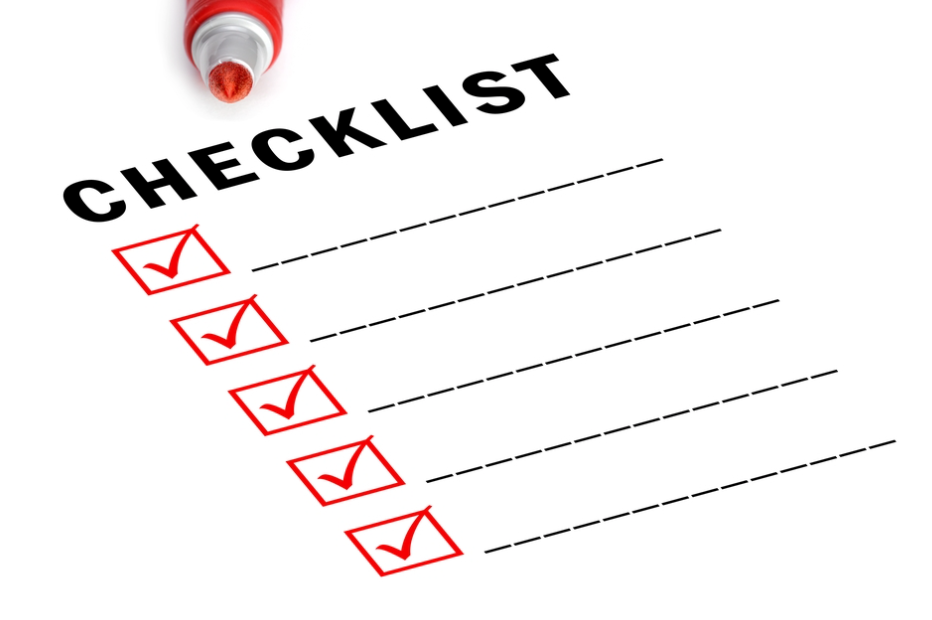
Think of this as a reality check, not a judgment. Many successful authors discover gaps only after publication. The goal is clarity, not perfection.
ISBN ownership check
Confirm who is listed as the publisher of record. If a platform name appears instead of your own imprint, you may not fully control your book’s identity. For authors serious about long-term growth, owning the ISBN for authors is a foundational step.
Copyright status check
Determine whether your book is formally registered or only protected by default creation rights. Without copyright registration, enforcing ownership becomes significantly harder if your work is copied, reused, or monetized without permission.
Distribution scope check
Ask where your book is actually available, not just where it appears live. Is it limited to a single retailer, or does it have access to bookstores, libraries, and international markets through global distribution channels?
Format consistency check
Verify that each format of your book has its own ISBN where required and that metadata is consistent across editions. Mismatched records can reduce discoverability and cause listing issues over time.
Imprint and metadata alignment check
Ensure your author name, imprint name, and edition details match everywhere your book appears. Consistency signals professionalism and helps retailers, libraries, and distributors classify your book correctly.
Future scalability check
Consider whether your current setup supports audiobooks, translations, bulk orders, or licensing. If growth requires rebuilding your publishing structure, it’s a sign something was missed.
This checklist doesn’t require legal expertise or technical knowledge. It simply encourages authors to pause and confirm that their book is positioned, protected, and prepared to grow. Next, we’ll look at how Virtue Publishing helps authors address these checkpoints without confusion or unnecessary complexity.
Let’s Clear Up the Biggest Publishing Questions
- Do I need an ISBN to publish a book in the USA?
Yes, if you want your book to be professionally recognized. While platforms may offer free options, owning an ISBN for authors gives you control over publisher identity, metadata, and long-term distribution flexibility.
- Is copyright registration required to publish my book?
You can publish without it, but copyright registration is what allows you to legally enforce your rights in the U.S. It provides stronger protection if your work is copied, reused, or monetized without permission.
- Does publishing on Amazon mean I have global distribution?
Not necessarily. Listing on one platform is not the same as true global distribution. Professional distribution includes access to libraries, bookstores, and international retailers beyond a single marketplace.
- Can I fix publishing mistakes after my book is released?
In many cases, yes—but it often requires restructuring ISBNs, metadata, or distribution channels. That’s why authors planning to publish a book in the USA benefit from reviewing compliance before launch.
- What’s the biggest thing new authors overlook when publishing?
Ownership. Many authors unknowingly give up control through platform-issued ISBNs or incomplete rights protection. Publishing correctly ensures your book grows with you instead of limiting future opportunities.
How Virtue Publishing Helps Authors Publish Correctly (Without the Guesswork)
For many authors, the hardest part of publishing isn’t the writing. It’s navigating the systems that determine ownership, protection, and reach. Virtue Publishing exists to remove that uncertainty while helping authors publish a book in the USA the right way from the start.
Instead of offering one-size-fits-all solutions, Virtue focuses on structure and clarity. Every publishing plan begins with understanding the author’s goals, whether that’s credibility, scalability, or long-term brand building. From there, the publishing framework is built intentionally, not rushed.
This includes ensuring proper ISBN for authors ownership, so the author remains the publisher of record. It also means guiding authors through copyright registration so their work is legally protected and enforceable. Distribution is approached strategically, not automatically, with an emphasis on sustainable global distribution rather than short-term visibility.
Virtue Publishing also acts as a checkpoint. Many authors arrive with books already written or partially published. In those cases, the focus shifts to identifying gaps, correcting misalignment, and restoring control wherever possible. The goal isn’t to overwhelm authors with technical details, but to translate complexity into confident decisions.
Above all, Virtue treats publishing as a partnership. Authors retain ownership, transparency is prioritized, and every step is explained clearly before it’s executed. This approach builds trust, not dependency, and allows authors to grow without outgrowing their publishing structure.

Publish With Confidence, Not Assumptions
Publishing success shouldn’t depend on luck or trial and error. When authors take the time to understand how ISBNs, copyright, and distribution work together, publishing becomes a strategic decision rather than a gamble.
If you’re preparing to publish a book in the USA, or if you’ve already published and want to be sure your foundation is solid, a professional review can reveal what’s working and what may need adjustment. Often, a few small corrections early can prevent major limitations later.
Virtue Publishing offers consultative guidance designed to help authors move forward with clarity, confidence, and control. No pressure. No confusion. Just informed decisions that support both your book and your future as an author. Because when publishing book is done right, it doesn’t just exist. It’s positioned to last.